Eating mandarins daily: Here’s what happens to your body
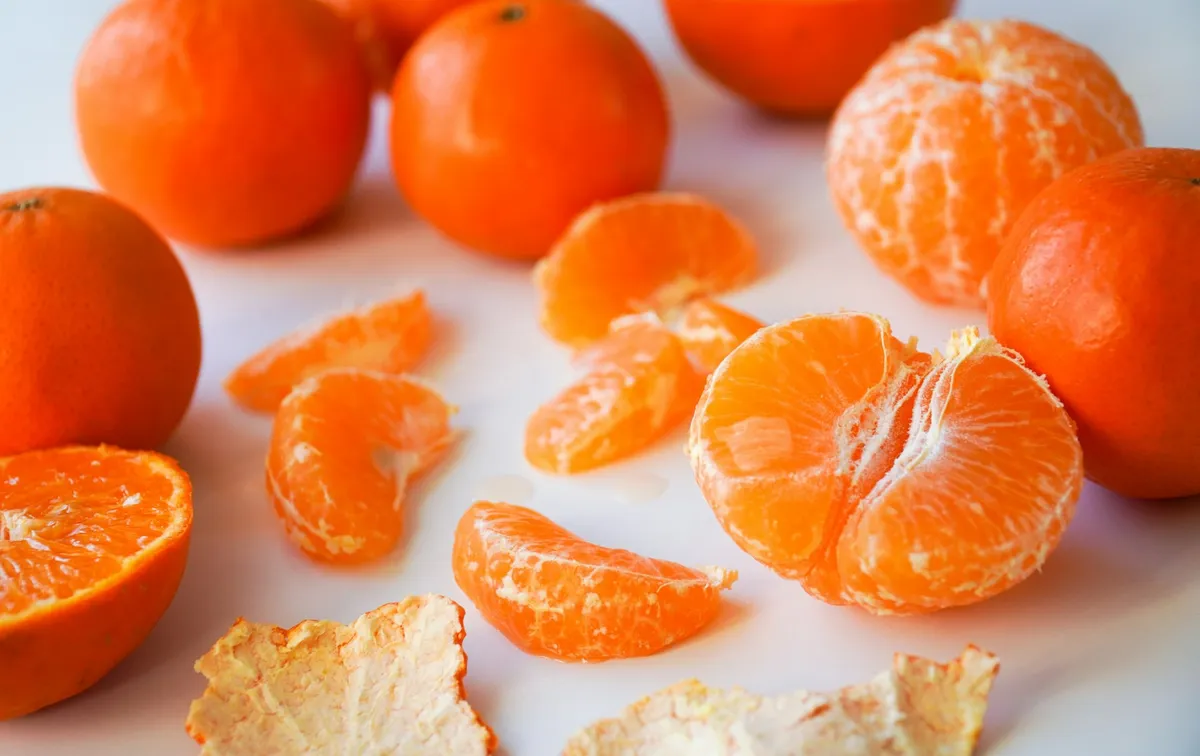
Originally from China, mandarins have become one of the most loved winter fruits worldwide. In Germany the citrus season peaks between November and February, and many people associate the peel’s aroma with something decidedly “Christmassy”. That scent, plus their seasonal timing, makes mandarins a firm favourite in homes during the colder months.
From China to German tables
Most mandarins in Germany arrive via imports, mainly from Spain. In the economic year 2023/24, the per‑person consumption of clementines and similar citrus fruits was about 3.8 kg (this figure includes mandarins). Tests carried out by the Chemical and Veterinary Investigation Office Stuttgart (CVUA Stuttgart) in 2024 found pesticide residues in all 130 samples they analysed, with eight samples exceeding legal limits. Despite these findings, mandarins remain popular and are widely viewed as a healthy snack.
What mandarins pack: nutrients and health benefits
Mandarins are notable for their nutritional profile. They can contain up to 30 mg per 100 g of vitamin C, so just 3–4 mandarins can meet a person’s daily vitamin C needs. They also provide dietary fibre, vitamin A and minerals such as magnesium and potassium. The white inner layer (the mesocarp), though a little bitter, is a good source of flavonoids and fibre.
Research suggests mandarins may help with weight control, feelings of fullness, bowel regularity and even skin health. A 2020 mouse study pointed to nobiletin, a compound in citrus peel, as possibly preventing weight gain on a high‑fat diet. Vitamin C contributes antioxidant protection, helps iron absorption from plant foods and can lower risks linked to cardiovascular disease and certain cancers.
Varieties and how to pick them
Mandarins are often mixed up with hybrids like clementines and satsumas, but they do differ. Clementines (a hybrid of mandarin and bitter orange) tend to be sweet to mildly sour and are almost seedless. Satsumas (derived from mandarin and orange) have a milder flavour and are completely seedless.
When choosing fruit, look for heavier mandarins with firm skins and no hollow space between peel and flesh — that’s usually a sign of good quality. During the main season (November to February) they’re easy to enjoy every day; outside that window it’s sensible to vary your choices and pick other seasonal fruits to broaden your nutrient intake.
Risks and tips to bear in mind
There are a few things to watch for. The relatively high fructose content could be an issue for people with fructose intolerance or diabetes. DAAB (German Allergy and Asthma Association) warns of possible cross‑reactions between birch pollen allergies and some citrus fruits, so allergy sufferers should be cautious.
To cut down on pesticide exposure, choose organic where you can. The label “unbehandelt”, as explained by the Consumer Advice Centre Hamburg, means the fruit wasn’t treated after harvest, though treatments applied before harvest may still be present.
Eating mandarins can be both enjoyable and good for you if you stick to moderation. Knowing the benefits and the possible downsides helps you enjoy them sensibly — a festive treat that can also be a nutritious choice. Indulge wisely and savour the flavours mandarins bring to the table.