How to easily get rid of limescale in your kettle? Just two ingredients deliver a surprisingly impressive result
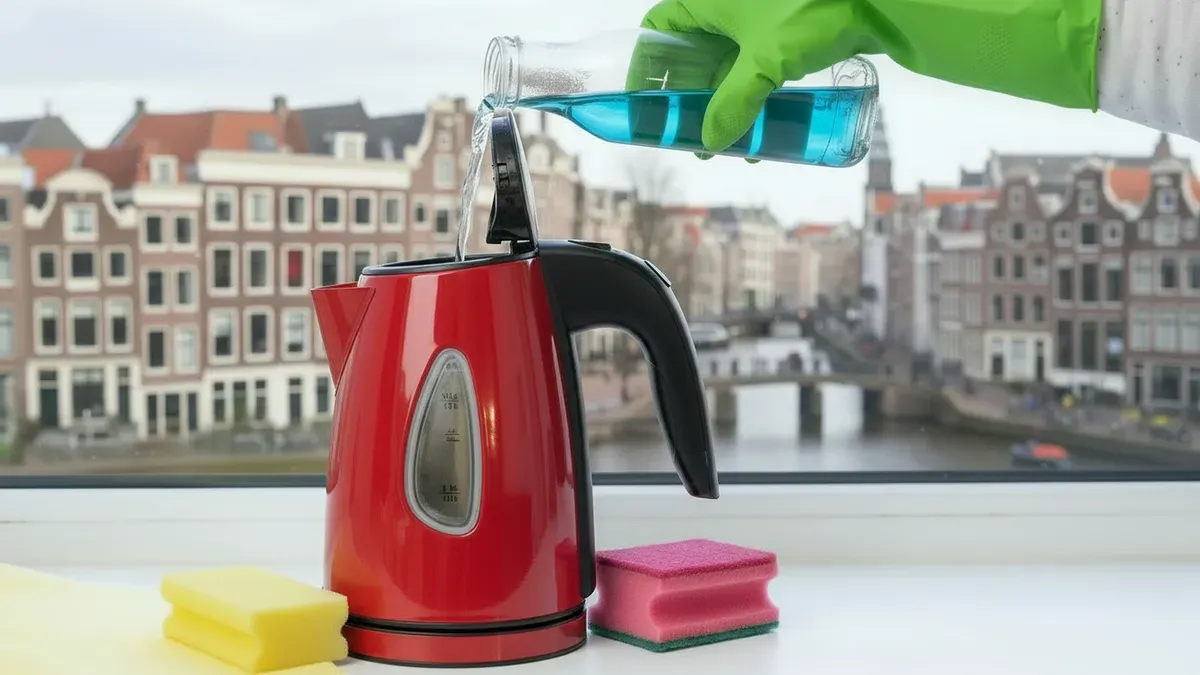
In a world where a good cup of tea or coffee can make your day, finding limescale at the bottom of the kettle is a real nuisance. Limescale not only spoils the flavour of your brew, it makes the kettle less efficient and can cause damage over time. Luckily, there are simple, natural ways to deal with it without harsh chemicals. Read on for practical tips to bring back the pleasure in your morning routine.
What limescale is and how it forms
Limescale is a persistent problem, especially where the water is hard. The minerals in hard water (such as calcium and magnesium) quickly leave deposits inside kettles, which cuts down their efficiency and raises the amount of energy they use. As limescale builds up, the appliance has to work harder to heat water, which can push up electricity bills and shorten the kettle’s lifespan.
To avoid damage and keep your tea or coffee tasting right, it helps to know how limescale develops and what you can do about it. Paying attention to the make-up of your local water and sticking to a regular cleaning routine will reduce the effects of limescale.
Old-school and offbeat limescale fixes
A tried-and-true remedy is baking soda (sodium bicarbonate). It’s a classic, powerful option that tackles even stubborn deposits. One example is an old enamel kettle owned by the author’s grandmother, where baking soda was indispensable. The usual method is to make a paste with water, rub it onto the affected areas, then rinse thoroughly.
There are also less conventional but effective tricks using leftover vegetable and citrus bits. Boiling water with citrus peel or gently rubbing the kettle with vegetable remnants can loosen limescale without resorting to strong chemicals.
Natural cleaners that actually work
Beyond baking soda and those household hacks, vinegar and citric acid are standout natural cleaners for removing limescale. Used correctly, they remove deposits effectively and don’t leave harmful residues. Just be sure to rinse the kettle well afterwards so no lingering taste gets into your drinks.
A quick anecdote illustrates how well citric acid works: after a long weekend away the author found a thick layer of limescale in their kettle. A dose of citric acid cleared it up within an hour and left the kettle smelling fresh.
How to stop limescale before it starts
Prevention is often the best approach. A few simple habits will keep limescale at bay:
- use filtered water to cut down on deposits,
- keep to a weekly cleaning routine, and
- don’t leave water sitting in the kettle for long periods (this tends to make limescale worse).
How often you clean will depend on how much you use the kettle and how hard your water is. For heavy use, monthly descaling is recommended, though using filtered water will let you clean less often.
Why a clean kettle pays off
There’s more to a clean kettle than efficiency. It preserves the delicate flavours of your favourite drinks and stops odd tastes from developing. It also keeps the appliance running more efficiently, which saves money in the long run and helps the kettle last longer.
A well-looked-after kettle is a small investment for the pleasure of enjoying every sip of your freshly brewed drink. Keep the tips above in mind, use these natural and effective methods, and savour the difference in your daily routine.