“I started collecting them and now have over 650”: a man has powered his home for a decade using laptop batteries
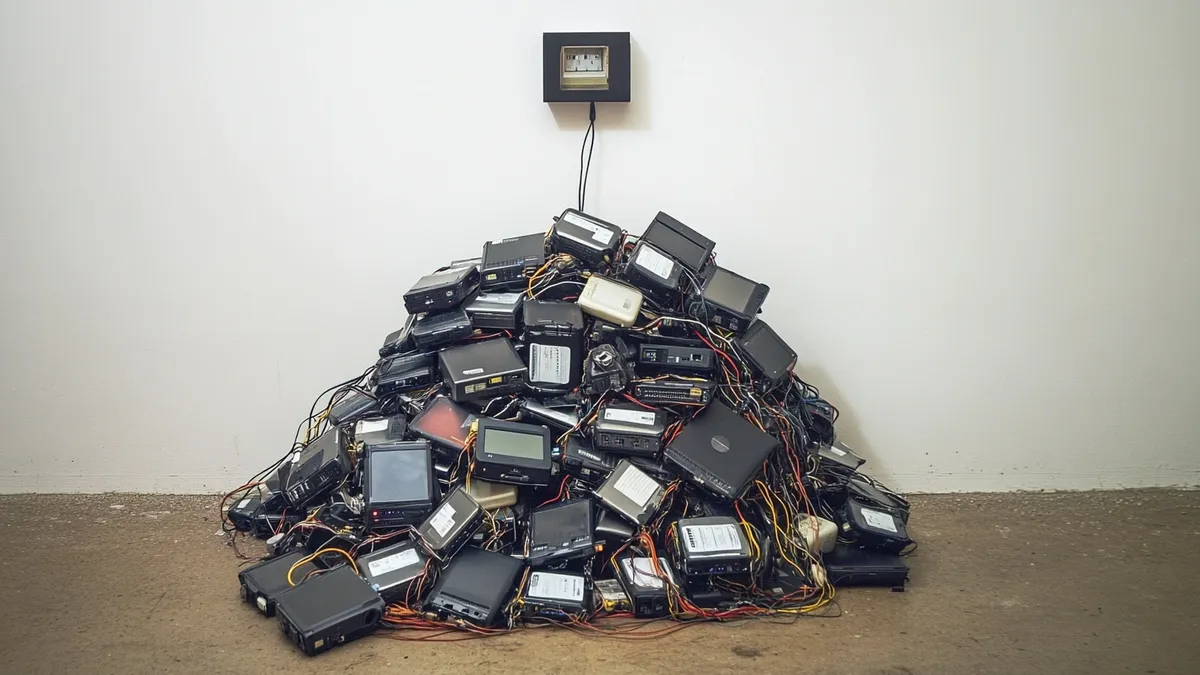
In a neat bit of DIY engineering and sustainability, someone passionate about energy autonomy has been running their home for the past decade on used laptop batteries. The project, started in November 2016, has prompted discussions about how we use energy and deal with electronic waste. It’s a clear example of upcycling tech that would otherwise be thrown away, and it might make others rethink how they approach energy independence.
How he gave laptop batteries a second life
The unnamed builder kicked off the project with 650 used laptop batteries. Over time that number has grown, and the system now reportedly runs on more than 1,000 batteries. Those packs were salvaged and repurposed, forming the backbone of a homemade energy system.
He carefully took the individual cells out of each laptop battery pack and put them together in purpose-made racks, with each pack having a nominal capacity of roughly 100 Ah. To tackle issues like uneven discharge between cells, he balanced the cells and periodically added extra ones where needed. For the wiring he used copper cables, chosen for their durability, which helps the whole setup last longer.
Adding solar into the mix
Alongside the reused batteries, the system includes 24 solar panels, each rated at 440 watts. The panels help the house stay self-sufficient by topping up the repurposed battery packs with solar energy. The installation also uses an old forklift battery, charge controllers and an inverter (to regulate charging and convert DC to AC), all assembled in a hangar built for the purpose.
That level of kit shows a real commitment to exploring alternative energy sources and off-grid systems. The fact it has been running continuously since 2016 speaks to its reliability and suggests it could be a model for others looking to be more self-reliant with their power.
What this could mean for the future
Beyond personal independence, the project touches on wider environmental and social questions. Reusing electronic waste—laptop batteries in this case—challenges the idea that discarded tech is valueless and demonstrates it can become a practical energy source. That sits alongside broader shifts in energy use driven by environmental and economic concerns.
The project also highlights human ingenuity when faced with global energy challenges. It raises awareness and encourages people and businesses to consider similar approaches. As the user put it, “I started collecting them and I already have more than 650,” which shows both dedication and the potential to scale up.
While issues like unequal discharge rates among cells posed hurdles, the fixes found along the way show these DIY solutions are doable. The system’s longevity and effective performance owe a lot to dismantling packs into individual cells and using copper wiring.
Overall, this initiative reflects a trend towards self-sufficiency and greener thinking, and it could act as a blueprint for others wanting to move away from conventional energy sources. As we pay more attention to how we use and reuse energy, projects like this reveal the surprising value hidden in devices that once seemed destined for the bin.