Safety warning: why keeping your front door key in the lock overnight could be a big mistake
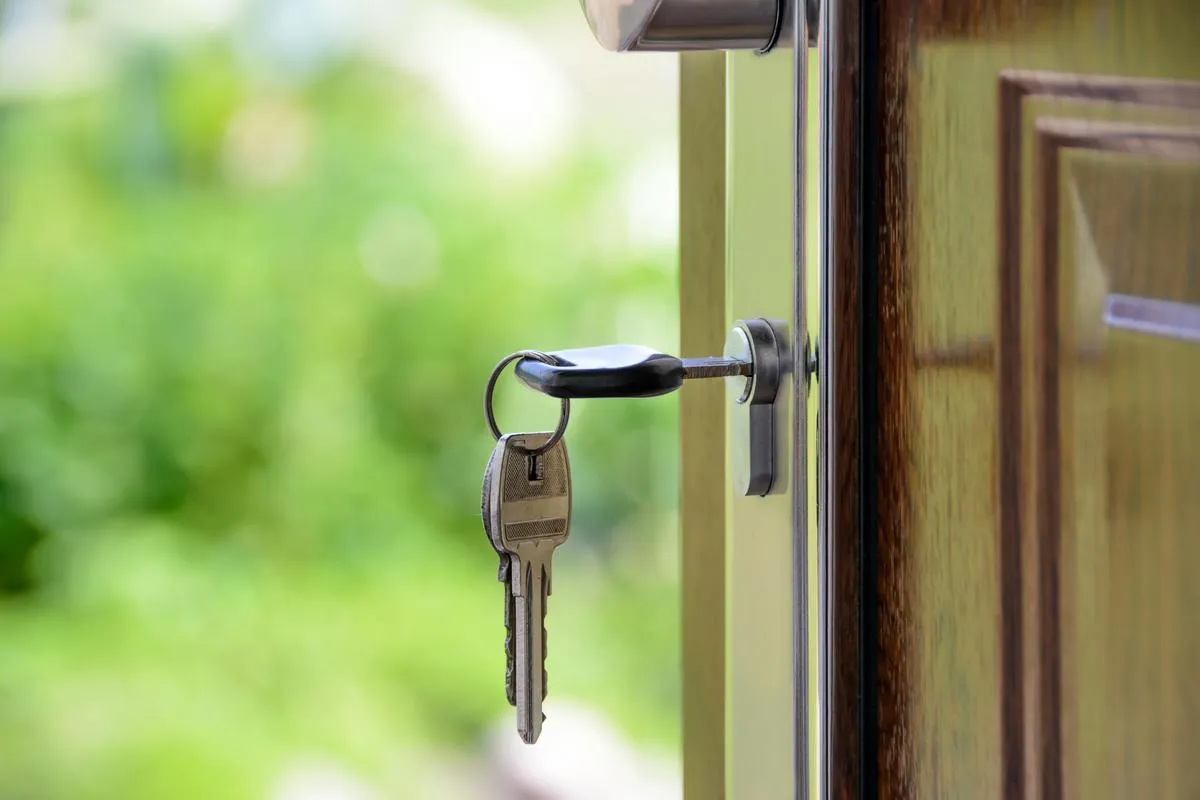
In lots of homes, locking the front door at night is second nature, and many people leave the key in the lock on the inside. It’s a reflex that’s hard to shake because it feels like it makes the place safer. But does that little ritual actually protect your home, or is it just making you feel safer without doing much?
Why we find it reassuring
Leaving the key in the inside of the lock can seem like a sure-fire way to stop someone from getting in. Many people lock the front door with a double turn (turning the key twice) and leave it inserted. Over time this becomes automatic, and it gives the impression that no one outside will be able to unlock the door. The idea behind the habit is straightforward: a key left inside generally prevents outsiders from opening the door, so you feel more at ease.
That comfort, though, is often a false good idea — it doesn’t hold up when you look at real threats. The reassurance can be misleading and even dangerous, because it ignores the kinds of risks that actually matter. A key in the lock might slow down someone opportunistic for a moment, but it’s no real barrier against someone determined.
Risks and how burglars get in
One main argument against leaving the key in the lock is that it doesn’t stand up to modern break-in methods. Experienced burglars use a range of techniques to get past simple measures. These include:
- breaking the cylinder (which works against non-reinforced cylinders)
- picking the lock
- forcing a door or a window
- bumping (using a specialist key that’s struck into the lock)
If the lock itself isn’t good quality, a key left inside won’t stop these approaches.
There are other hazards too. Leaving the key in the lock can put people at greater risk in an emergency. If you need to get out fast — for example, in a fire — you might lose valuable seconds fumbling with keys that are already in the lock, which could be life-threatening. The habit of leaving the key in place can leave you unprepared when speed matters.
Rethinking home security
That nightly comfort is powerful. Lots of people fall into the routine without questioning it, assuming that a certain look or habit equals real safety. But knowing its limits helps you make better choices. Real security comes from understanding that this reflex is more habit than protection, and from looking at more reliable options. Modern security systems, reinforced locks, and being clear about emergency procedures can replace the false sense of safety that a key-in-the-lock gives.
Spotting the risks linked to this practice opens up a wider conversation about protecting your home. As people learn more about the hazards, they may rethink their nightly habits in favour of things that actually offer protection. Talking to home security experts, investing in high-quality locks, and familiarising yourself with current security measures can significantly raise your level of safety and peace of mind.
Leaving the key in the lock is a common but misplaced attempt to feel secure. While it may give a bit of reassurance, understanding its drawbacks is important. With that knowledge, residents can choose more effective measures to protect both their homes and their safety. As awareness spreads, everyone has the chance to make home environments safer by re-evaluating traditional habits and making informed decisions.