Uber driver claims in court he was handed £50,000 by a stranger
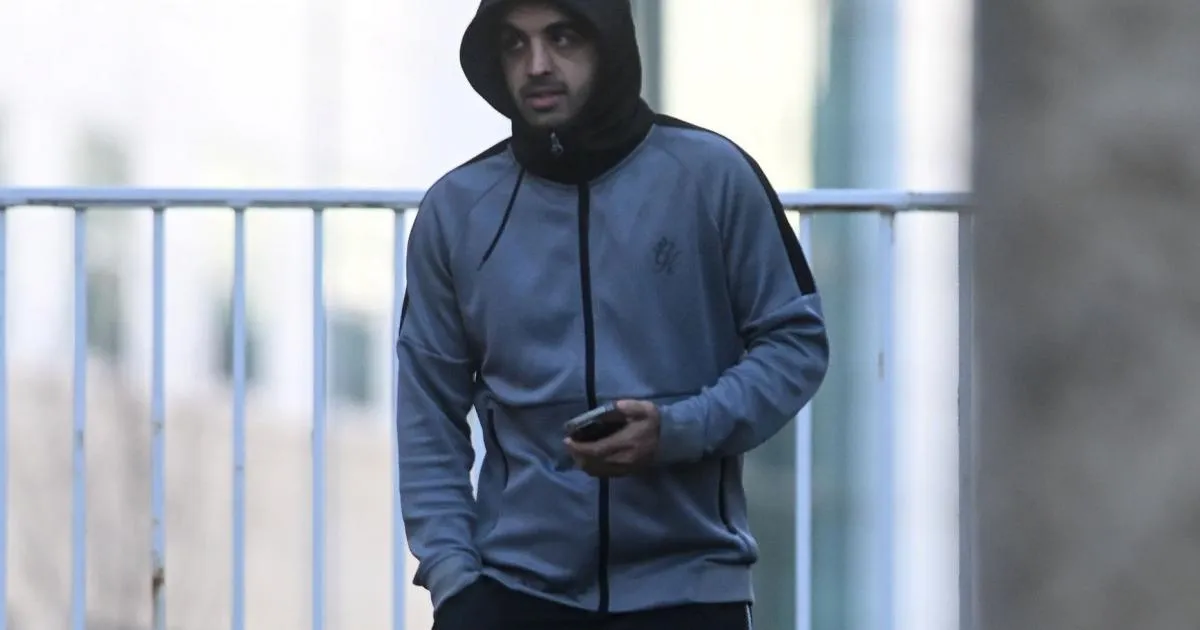
A ruling at Bradford Magistrates’ Court has upheld Bradford Council’s decision to revoke the taxi licence of 33-year-old Amar Rangzab. The case centres on allegations of fraud linked to a Covid pandemic support scheme, and it has raised questions about trust in people working in public-facing roles.
The appeal and how the hearing went
Amar Rangzab, an Uber driver with ten years’ experience who lives on Clayton Road, Bradford, went to court hoping to overturn Bradford Council’s licence revocation. Magistrates heard the appeal on a Friday and found the council’s evidence convincing while describing Rangzab’s defence as inconsistent, so his appeal was dismissed.
The council’s move to revoke the licence followed charges brought by The Insolvency Service. Rangzab is accused of wrongdoing over a £50,000 bounce back loan (a government-backed Covid support loan), which he is said to have later put into bankruptcy and not repaid. He denies the allegations and intends to plead not guilty, but the charges have put his professional reputation under scrutiny.
Who’s who in the case
- Amar Rangzab is at the centre of the matter, facing both professional and legal difficulties.
- Waseem Raja, representing Bradford Council, set out the authority’s position and highlighted the seriousness of the charges in terms of maintaining standards among taxi drivers.
- Steven Knighton, the Compliance Manager for Licensing at Bradford Council, gave key evidence to the court that supported the council’s stance.
The allegations and his defence
The accusations against Rangzab are several. The council says he used the £50,000 loan for gambling rather than to keep a business afloat, and that he gave false information when applying for a separate £3,000 loan to buy a watch. They also point to inconsistencies about property ownership on loan paperwork.
Rangzab’s version is markedly different. He says a stranger in a car park somehow led to £50,000 being deposited into his account and that he didn’t realise it was a bounce back loan. He admits he gambled the money but says he has since dealt with any gambling problems. He denies deliberately giving wrong details and claims the interviewing officer was manipulative, arguing his side was misrepresented in court.
What happens next and wider concerns
The magistrates ordered Rangzab to pay £420 towards council costs. His criminal trial has been scheduled for 2027, where the charges will be examined in full. Meanwhile, his taxi licence remains revoked, which significantly affects his ability to earn a living.
The case has prompted wider discussion about holding people in public-facing roles to proper standards of behaviour and honesty. Waseem Raja told the court, “In my submission Mr Rangzab’s honesty falls below the standard required of a taxi driver.” Steven Knighton echoed the need to guard against any abuse of trust by people in similar positions.
Where things stand now
The decision to refuse the appeal and keep the licence revoked underlines the scrutiny faced by those in public service roles. With a criminal trial on the horizon, the matter will be further tested in court, while the local community and regulatory bodies consider how best to balance supporting people during crises with preventing misuse of that support.