Yellow sweat stains on your clothes? A simple, budget-friendly trick to make your whites bright again
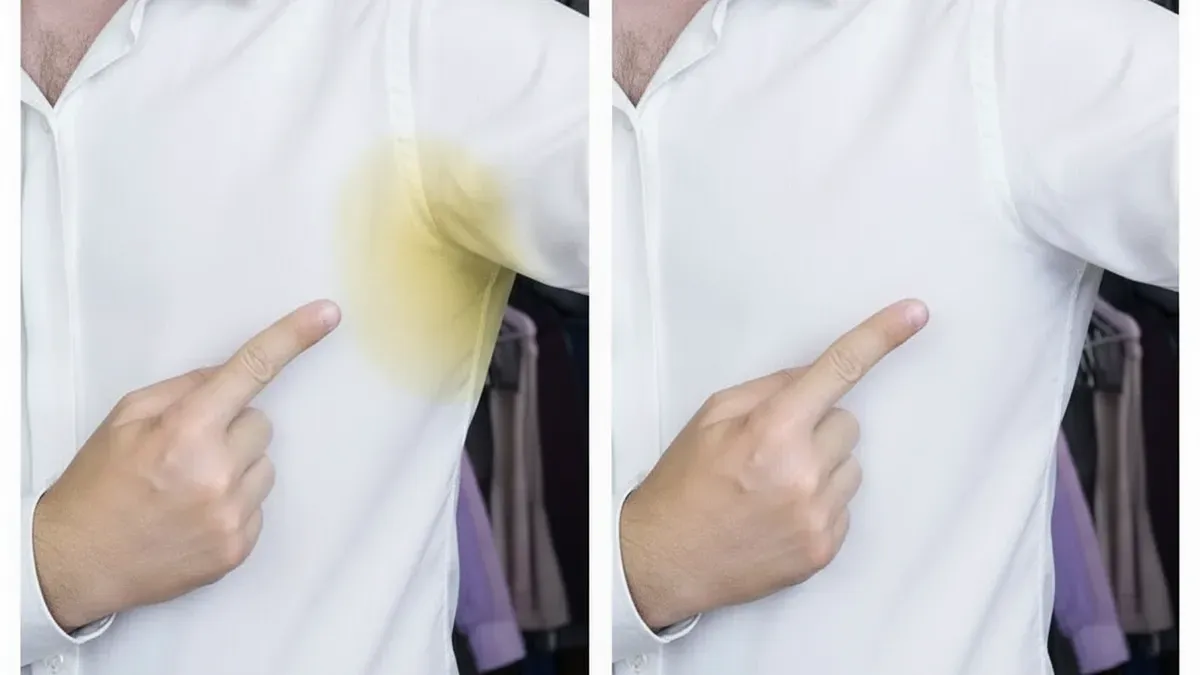
It’s a familiar scene: you pull your favourite white shirt from the wash and find those stubborn yellow marks under the arms. You’ve used your usual detergent, but the stains stay put. Many people run into this because ordinary detergents often can’t shift that particular type of discolouration. Here we look at what causes these marks and which methods can actually bring garments back to a bright, wearable state.
What causes yellow underarm stains
The mystery comes down to a mix of three things: sweat, skin oils (sebum), and the aluminium salts found in many deodorants. When these meet the fabric they can react and leave a yellow residue that clings to the fibres. Aluminium compounds are mainly to blame for those hard-to-remove marks, which show up most on white and light-coloured clothes.
Sweat contains proteins and fats, and when these combine with aluminium from deodorants they form a stubborn stain that regular detergents struggle to tackle. Typical detergents are designed for everyday dirt and simpler stains, so they don’t always break down the complex protein-and-fat mixture, leaving visible discolouration even after washing.
What actually works to remove them
Thankfully, several household solutions perform much better than standard detergents. According to comparative data, hydrogen peroxide for white clothing, vinegar and citric acid, and baking soda paste for coloured fabrics all score highly for effectiveness. Hydrogen peroxide, at a concentration of 3%, is especially effective on white garments, while a baking soda paste shows a medium-high success rate on coloured shirts.
Pre-treatment is often the key. Applying vinegar or citric acid before washing can start to break the chemical bonds that hold the stain. Letting these agents soak in before a thorough wash helps with both fresh and older marks.
How to remove the stains — step by step
- For white clothing: apply hydrogen peroxide directly onto the underarm stain, leave for 10 minutes, then wash as usual. This approach has a very high success rate for white garments.
- For coloured shirts: make a paste from baking soda and water, apply it gently to the stained area, leave it to sit, then rinse thoroughly. The author finds this leaves negligible traces and preserves the fabric’s appearance.
- Vinegar soak: immerse the garment in lukewarm water with a splash of vinegar for at least one hour before washing. This can help release up to 90% of the stain. Avoid cold water, which can make the stain bind more tightly to the fibres.
Choosing a better deodorant
What you put on your underarms matters. Switching to an aluminium-free deodorant reduces the chance of yellow stains and can lengthen the life of your clothes. Natural deodorants are often as good as conventional ones at controlling odour while leaving less residue on fabrics. The author notes a clear improvement in their wardrobe after making this change.
Personal tips and recommendations
The author particularly praises baking soda paste for coloured fabrics — it keeps the fabric looking good and leaves little sign of treatment. Treat fresh stains promptly so they don’t become embedded.
To keep garments fresh and stain-free without resorting to costly products, use the right pre-treatment for the fabric and stain type, choose aluminium-free deodorant, and deal with clothes soon after wearing. These gentle household remedies also tend to be kinder to garments and more environmentally friendly than harsh chemical treatments.